 |
Brief Explanation of the Moon Phases
 New Moon |
 Waxing Crescent |
 First Quarter |
 Waxing Gibbous |
 Full Moon |
 Waning Gibbous |
 Last Quarter |
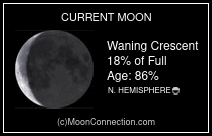
 Waning Crescent |
The phases of the moon are caused by the relative positions of the earth, sun, and moon. The moon goes around the earth, on average, in 27 days 7 hours 43 minutes. How the Moon Shapes Your Surf: Neap vs. Extreme Tides and the Timing Most Surfers Miss Most surfers scan the swell, check the wind, and paddle out with crossed fingers. Some take it a step further and look at the tide. But hardly anyone pauses to think about the quiet force orchestrating it all the moon. If you've ever shown up on a day that looked perfect on paper but felt oddly flat, rushed, or inconsistent, the moon was likely part of the story. Understanding how lunar phases influence neap and extreme tides isn't mystical it's practical. And it can reveal surf windows that most people overlook entirely. This isn't about memorising tide charts. It's about recognising patterns why some days flow effortlessly while others feel chaotic and learning to time your sessions with intention. The Moon: The Invisible Influence Behind Every SessionThe moon's gravity drives the tides that's well known. What's less obvious is how different lunar phases subtly affect wave behaviour, currents, and timing at the same break. Every surf spot has its ideal tide range. But the moon determines how quickly tides shift, how far they move, and how long those ideal conditions stick around. That's where neap tides and extreme tides come into play. Neap Tides: Slow, Steady, and ForgivingNeap tides occur when the sun and moon sit at right angles during the quarter moon phases. The result is a smaller tidal range and gentler movement. For surfers, that usually means a more relaxed ocean:
Neap tides give you breathing room. They reward patience rather than urgency. It's no coincidence that many beginner and intermediate surfers have their best sessions during these periods. The ocean feels more predictable, giving you time to settle in, adjust, and build confidence. At reef and point breaks like those found in Bali neap tides can extend good conditions across several hours instead of compressing them into short bursts. The result is a more forgiving, productive surf window. Extreme Tides: Fast, Focused, and DemandingExtreme tides happen during full and new moons, when the sun and moon align. These create larger tidal swings and faster-moving water. They're not worse just more precise. Expect:
On these days, the difference between an average surf and a standout session might be less than an hour. Many surfers miss it entirely paddling out too early or too late, unaware that the best conditions came and went quickly. When timing matters this much, awareness becomes everything. The Overlooked Factor: It's About Movement, Not Just HeightHere's the piece most people miss: tide height alone doesn't define surf quality rate of change does. Think of the ocean like it's breathing. The best surf often happens during those brief pauses when the tide slows as it turns. During neap tides, that pause can last hours. During extreme tides, it might only last minutes. If you only focus on whether it's high or low tide, you'll miss these moments. But if you start thinking in terms of rhythm, you'll begin to notice why identical forecasts can produce completely different sessions. The moon isn't just moving water it's setting the tempo. A Simple Way to Plan Around the MoonYou don't need to overcomplicate it. Just keep this in mind: Neap Tide Days
Extreme Tide Days
This approach works across beach breaks, reefs, and point setups alike. Why It Matters Even More When You TravelAt your home break, you absorb these patterns over time without realising it. But when you travel especially to places like Bali that intuition disappears. This is why some surf trips fall flat. It's rarely about bad waves. More often, it's about being out of sync with the timing. When you understand how lunar cycles shape conditions, you stop guessing. You start choosing your moments. What You Can Do Right AwayBefore your next surf:
It's not about surfing more it's about surfing smarter. Final Thought: Work With the Ocean, Not Against ItThe moon doesn't care about forecasts or schedules. It moves the ocean on its own rhythm, whether you notice or not. Surfers who learn to tune into that rhythm stop feeling unlucky. They start finding themselves in the right place at the right time. And that's often the difference between chasing waves and letting them come to you. |
|---|